About 38 minutes
Growing up on Big Muddy — Edition Insights
Other Worlds
8,705 recorded words. 0 minutes difference from this book's estimate.
View Gutenberg source #51398
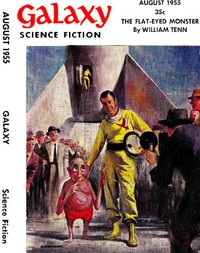
This digital edition of A Gift from Earth — Story, Setting & Ideas is described by source-level measurements including 8,562 words, 38 min estimated reading time, and 1 detected text section.
The text analysis averages about 16.3 words per sentence, while the detected sections provide another way to judge how the source is divided.
Project Gutenberg metadata also associates the work with “Science fiction,” connecting these edition facts with the source record’s subject description.
Explore this collection
These alternatives are selected using recorded categories and estimated reading time.
About 38 minutes
Other Worlds
8,705 recorded words. 0 minutes difference from this book's estimate.
View Gutenberg source #51398About 38 minutes
Other Worlds
8,601 recorded words. 0 minutes difference from this book's estimate.
View Gutenberg source #60434About 36 minutes
Other Worlds
8,054 recorded words. 2 minutes difference from this book's estimate.
View Gutenberg source #51681Search stored excerpts and compare books → Choose by your preferences →
Choices use stored catalog measurements. Estimates vary with reading speed. A shared category is a catalog label, not a claim that two books have the same argument or literary quality.
Search reads excerpt text stored with this catalog and links to its associated Gutenberg record. The connection is stored in the site database; this tool does not recheck that every excerpt is word-for-word identical to that external record. Excerpt search does not cover every chapter and does not verify historical publication dates.
Catalog snapshot checked: 2026-09-25. Coverage: 92 public books, 92 available source excerpts.
Read the complete public-domain text at its original source.
Read on Project GutenbergThe story opens with a family conference at the Pottery of Masur, where the six brothers and their aged father debate the arrival of Earthmen. The dialogue is brisk and colloquial, with characters like Koltan calling the landing "an outrage" and Singula fretting about Thorabians getting "the gravy." The youngest brother, Zotul, breaks protocol to speak frankly, earning a rebuke. This scene establishes a tight, domestic power structure that will later be exploited by offworld forces.
Banister's narrative voice is lean and observational, letting the brothers' own words reveal their motives. The setting—a pottery business on a world where metal is scarce—is introduced through natural exposition, not info-dumps. The pace is quick, driven by argument and the father's cryptic refrain about clay.
The first excerpt moves rapidly through a family dispute, with each brother's role clearly delineated: Koltan the director, Morvan the vice-chief, Singula the treasurer, and so on. The dialogue is sharp and functional, advancing both character and plot. Zotul's youthful outburst—"the Earthmen used all the metal on their planet in building that ship"—is a rare moment of directness that the older brothers punish. The father, Kalrab, offers cryptic wisdom about clay, but is ignored.
This opening establishes a pattern of hierarchical tension that will be mirrored in the Earthmen's dealings. The pace is brisk, with short paragraphs and quick exchanges. Banister avoids lengthy description, instead using the brothers' complaints to hint at the wider world: Thorabia, Lor, and the value of metal. The scene feels like a stage play, with each character entering with a clear agenda.
The second excerpt shifts to a slower, more cumulative pace. Banister uses a catalog of consumer goods—"refrigerators, washers, driers, toasters, grills, electric fans, air-conditioning equipment"—to show the Masur brothers' growing entanglement. The tone becomes ironic: "They rolled in the luxuries of Earth. These, who had never known debt before, were in it up to their ears." The Earthman Broderick offers contracts and equipment, but each step tightens the grip.
The narrative voice remains detached, reporting events without moralizing. The phrase "the progress of the tortoise was slow, but it was extremely sure" encapsulates the story's critique of gradual exploitation. Banister repeats the word "Earth" like a drumbeat—"Earthly pots," "Earth-type gas ranges," "terrestrial company"—to emphasize the alien origin of these goods. The pace mirrors the insidious spread of dependency: first excitement, then normalcy, then crisis.
As the excerpt continues, the tone darkens. The Earthmen drop their option, build their own plant, and introduce television—"a further calamity." The brothers, once proud, are reduced to cuffs and bruises: "You got us into this," they say, beating Zotul. Banister's prose is matter-of-fact, even clinical: "The pottery income dropped to an impossible low." The irony is sharp: the Earthmen's gifts—cars, highways, gas ranges—become instruments of debt.
The narrative voice never raises its pitch. Instead, it accumulates details: mortgage contracts, plastic figurines, the disappearance of radio batteries. The phrase "the Easy Payment Plan" is repeated with bitter emphasis. Zotul's earlier hope—"we have the things and aren't they worth it?"—is answered by the collapse of the pottery. The story's structure mirrors a business cycle: boom, bust, and the search for a new contract.
Banister's story rewards attention to its narrative rhythm: the opening's brisk argument gives way to a slower, ironic enumeration of consumer goods, then to a grim denouement. The voice remains steady, letting the accumulating details do the work. Readers may note how the Earthmen's language of progress—"efficiency," "lower prices"—masks a transfer of wealth. The pottery, once a symbol of craft and family, becomes a cautionary tale about the cost of accepting gifts.
That old Banister story stayed with me—how quiet prose can make a gift feel like a weight. I found myself thinking about that again while leafing through The Unwilling Professor — Edition Insights, where the small print around a familiar tale feels similarly patient. It’s less about plot, more about what’s left unsaid between the lines.
Save your reaction, strongest insight, and memorable passage.